Dedicated Development Team
What it is
What a Dedicated Development Team Actually Is
A dedicated development team isn't a hiring agency handing you CVs to sort through. We don't pass you a shortlist and step back, and the work of judging who's any good doesn't land on you.
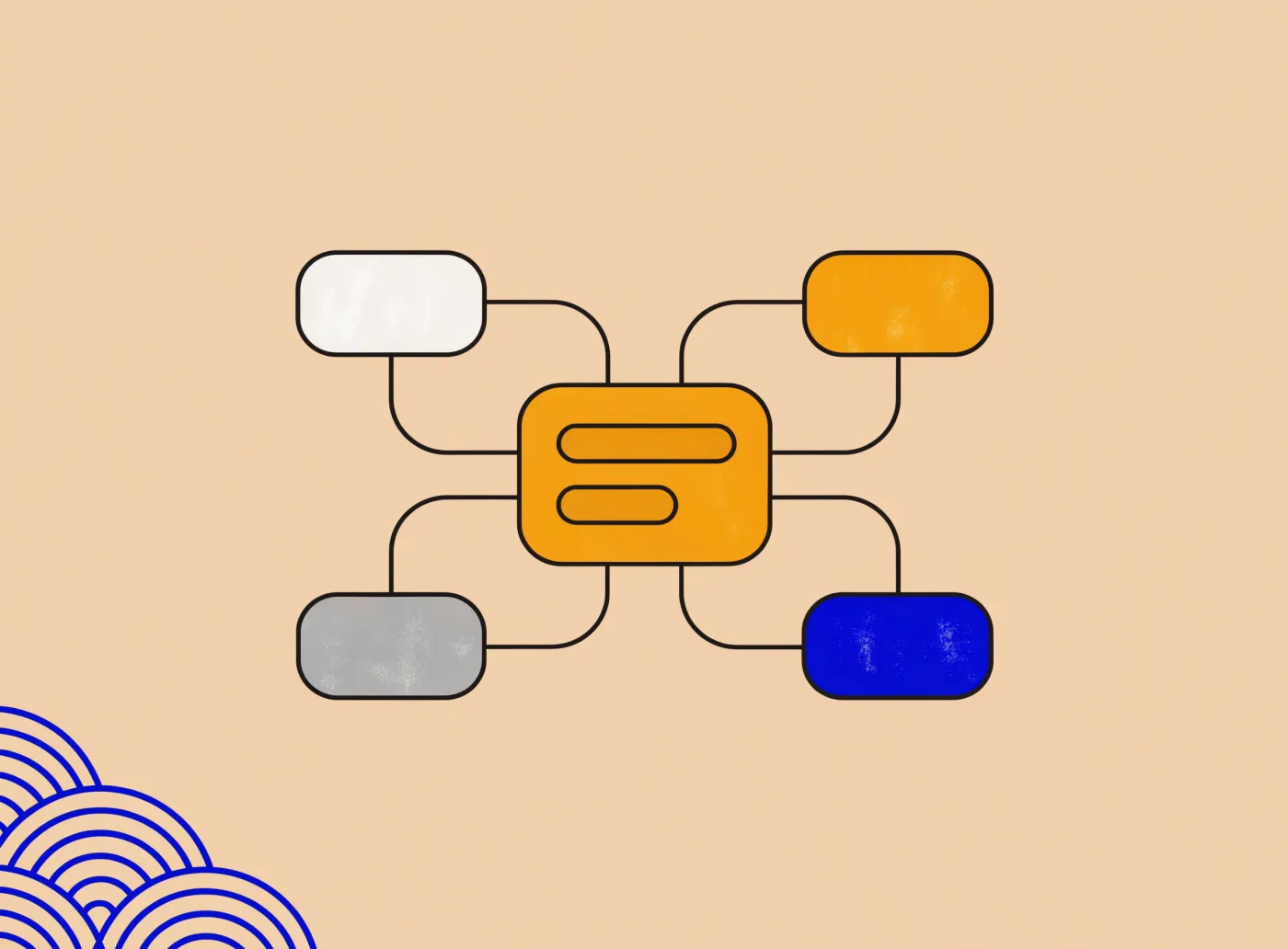
We assemble the team on demand, around what your project actually needs. Every build calls for a different mix. One product needs a backend engineer and a designer. Another needs three engineers and someone on QA. If you are shipping to iOS and Android, the same process produces a dedicated app development team with mobile engineers on it rather than web. After scoping, we work out what yours requires, put that team together, and run it through delivery.
That last part is where it stops looking like recruitment. You aren't getting people to supervise. You're getting a team with someone accountable for it, building what you asked for.
The decision
A Dedicated Software Development Team vs Hiring In House
Hiring in house carries more risk, and most of it lands before anyone writes a line of code. You work out which roles you need, vet each person, run the interviews, and then commit to a full-time salary plus the compensation package on top of it. If the hire turns out wrong, that cost is yours.
There's a duration problem too. A full-time employee is a long-term commitment, and it only pays off when the work is long term as well. If you have years of roadmap ahead and enough volume to keep people busy, hiring in house is the right call, and we'll tell you so.
But if you need to ship a project now, and the workload will change as it goes, that commitment is overkill. A dedicated software development team carries the load instead, and scales back as the project winds down. You pay for what the work needs, not for headcount you then have to keep busy.
Continuity
Your Dedicated Software Team, Start to Finish
Dedicated is the part most people skip past. It doesn't only mean a team assembled for you. It means allocated to your build, working your project rather than being split across three other accounts and stretched thin between them.
So the engineers who start the build are the ones who finish it. Nobody gets pulled onto a bigger account halfway through, and you don't lose a week bringing a replacement up to speed on decisions they weren't there for. The context stays where it's useful, which is inside the heads of the people writing the code.
You know who's on your dedicated software team, what each of them does, and that it won't change without you hearing it first. When the work scales up or winds down, that's a conversation we have with you, not something you notice in a standup.
How it runs
Dedicated Development Team Services, Managed End to End
The thing that makes a dedicated development team work is that ownership is never ambiguous. Every part of the project belongs to a named person. That engineer owns the API. That one owns the mobile build. Responsibility sits with the same people who hold the context, so when a decision needs making, there is no question about whose call it is.
You feel the difference in what you stop doing. There is no chasing four people to find out where something stands, no forwarding the same question around until it reaches whoever actually knows, and no discovering in week six that a piece of the build had no owner at all. You know who owns what, which means you can ask one person and get a real answer.
Getting that right is our job, not yours. We put the correct dedicated software engineers in place around your scope, in the roles the build actually calls for, and we keep the team accountable for delivering them. What you are buying from dedicated development team services is the outcome you asked for, without the overhead of running the people who produce it.
If you would rather steer the team inside your own process, that arrangement is available too. The ownership map stays the same either way. It just reports to you instead of to us.
Want the technical leadership without the team? That's CTO consulting services.
Getting started
How to Hire a Dedicated Development Team
It starts with a scoping call. We go through what you are building, what already exists, and where you need to be by when. That conversation is what tells us which roles the work actually calls for, so it happens before anyone talks about team size or cost.
Then you get a proposal: the shape of the team, what each person will own, and what it costs. Nothing is a fixed package. If the scope says you need two engineers and a designer rather than the five you expected, that is what the proposal says. Every dedicated software developer on it is matched to your stack and your requirements, rather than assigned off a bench because they happened to be free.
From approval, assembling the team takes two weeks to a month. Common requirements come together at the fast end of that. More specialized skill sets take longer, and we would rather spend the extra week getting the right person than fill a seat quickly. Once the team is in place, work starts against the scope we agreed and you have named owners from day one.
Engagements run three months at minimum. A dedicated team needs that long to learn your product and reach the pace it is capable of, and shorter engagements tend to finish right as that momentum arrives. After that you can scale up or down with a month of notice, so the team tracks the work instead of the other way around.
One more thing worth saying plainly, because it is the usual worry when you hire a software development team rather than employees: you are not locked in. The three months buys real output, not a trap.
Only need one person rather than a dedicated team of developers? You can hire dedicated software developers individually instead, and add the rest of the roles later if the scope grows into them.
Dedicated Development Team FAQs
Hire a Dedicated Development Team
Send us your roadmap and the skills it calls for. We will put a dedicated software development team around it, managed end to end, and you can scale it up or down as the work changes.